
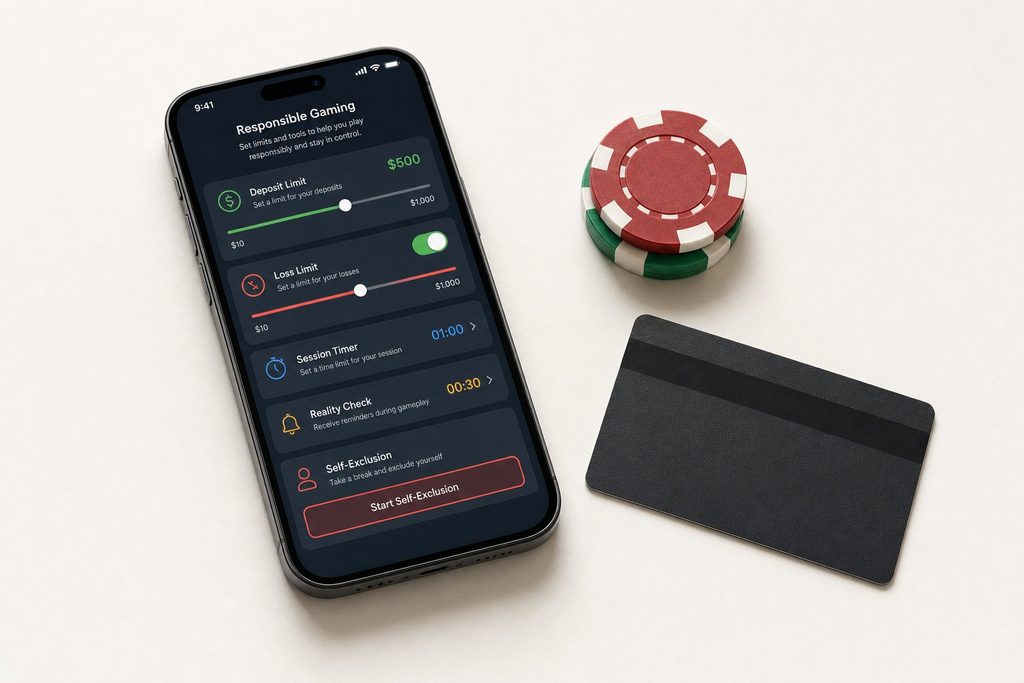
Digital casinos are incorporating responsible gaming tools within their interfaces to help players control spending, establish limits, and stay informed about their gaming practices. Well-designed inclusions ensure support options are accessible and easy to use while maintaining usability.
Online casinos now embed various safety mechanisms as part of the user experience. With built-in controls, players are able to monitor activity, set spending boundaries, and review usage data without relying on external resources. Hurjaa kasino, integrated tools, and responsible gaming measures all help create a safer, more transparent environment for users. The next sections outline the importance of these protections and how they are effectively implemented within modern casino design.
Why embedded gaming protections improve user safety
Responsible gaming tools integrated into casino interfaces provide direct, immediate access to self-regulation features. Compared to external support, in-platform features are available throughout the player journey, making them easier to use and helping with consistent management of gaming habits.
The design of responsible gaming elements aims to keep supports both visible and user-friendly, without disrupting normal gameplay. Seamless integration of safety features allows players to make informed decisions and feel supported, leading to a more transparent casino experience.
Research indicates that players are significantly more likely to utilize responsible gaming features when they are prominently displayed and require minimal effort to access. Embedded protections reduce the friction between recognizing a need for limits and actually implementing them, which can be crucial during moments when emotional decision-making might otherwise prevail. By eliminating the need to search for external resources or navigate away from the platform, integrated tools serve as immediate intervention points that can help prevent problematic gaming behaviors before they escalate into more serious concerns.
Types of responsible tools within casino platforms
Typical tools built into online casinos include deposit limits, loss caps, and wager controls, enabling users to set daily, weekly, or monthly boundaries that function automatically. Notifications alert players as they approach these limits, creating clear spending guidelines.
Additional features like session time reminders and reality checks inform users about their gaming duration and prompt regular breaks. Cool-off options and permanent self-exclusion are available for those needing a pause, while visible account histories and play trends promote greater self-awareness during digital gameplay.
Design choices that shape the effectiveness of safeguards
Effective interface design determines how easily users find and use responsible gaming tools. Strategic menu placement and timely prompts affect whether these supports are noticed. Clear labels and easy navigation prevent confusion, while avoiding design patterns that obscure important safety settings.
Confirmation prompts and sensible default options help balance user autonomy with protection. For example, changes to spending limits or self-exclusion often require deliberate action, which can include a waiting period to reduce impulsive changes. Ensuring accessibility across devices is also necessary for effective responsible gaming design.
How data usage and personalization shape user safeguards
Online gaming platforms may analyze behavioral patterns, such as changes in playtime, to tailor safeguards for individual players. For instance, personalized prompts might appear if unusual activity is detected. The intention is to support safer play, with user privacy and consent treated as priorities.
Personalized summaries, such as spending reports or suggested time limits, can provide guidance when handled transparently. User understanding and control over data collection and preferences are important parts of this process.
Extra security, like identity checks for significant changes and audit records for edits to limits, can improve platform trustworthiness. Displaying which limits or exclusions are in place, and for how long, helps users stay informed and avoid accidentally overriding safeguards. Establishing strong security practices supports responsible play and the overall reliability of the platform.